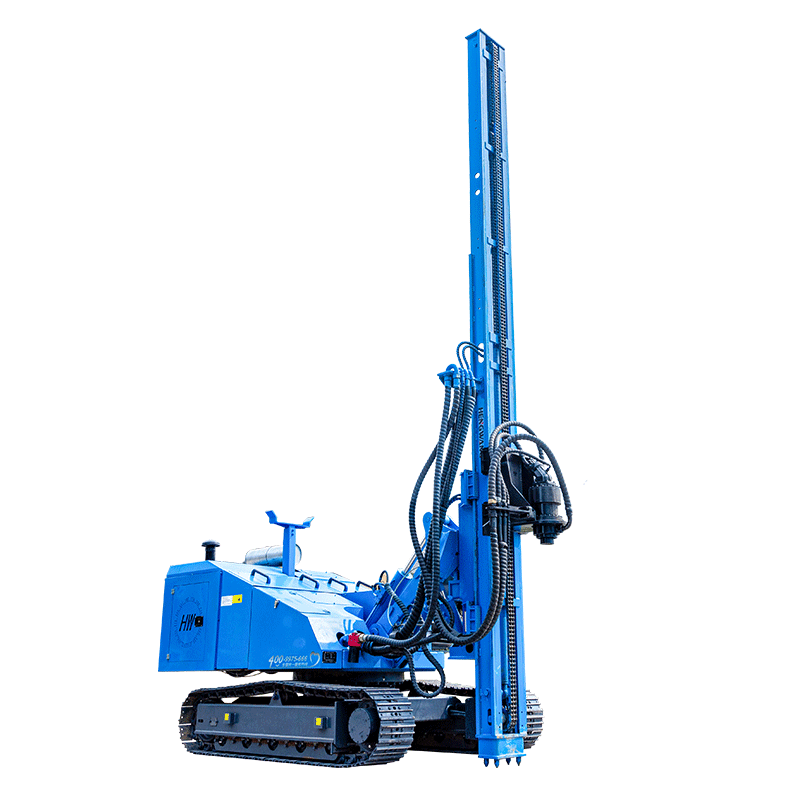
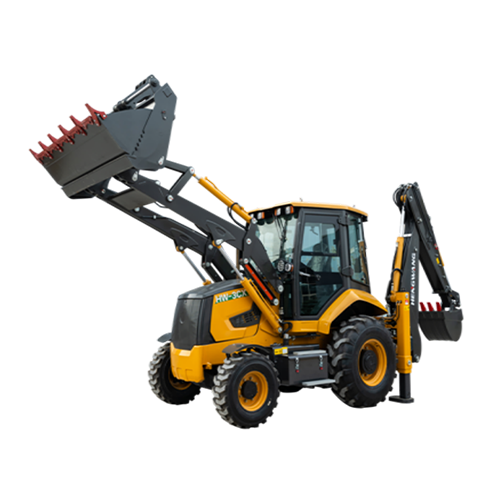
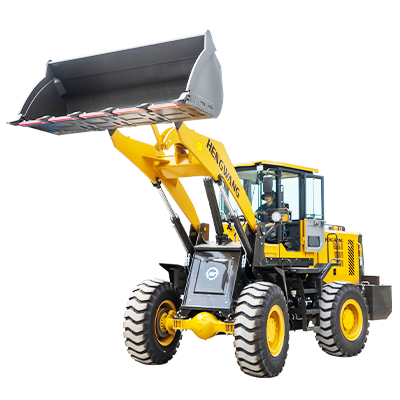
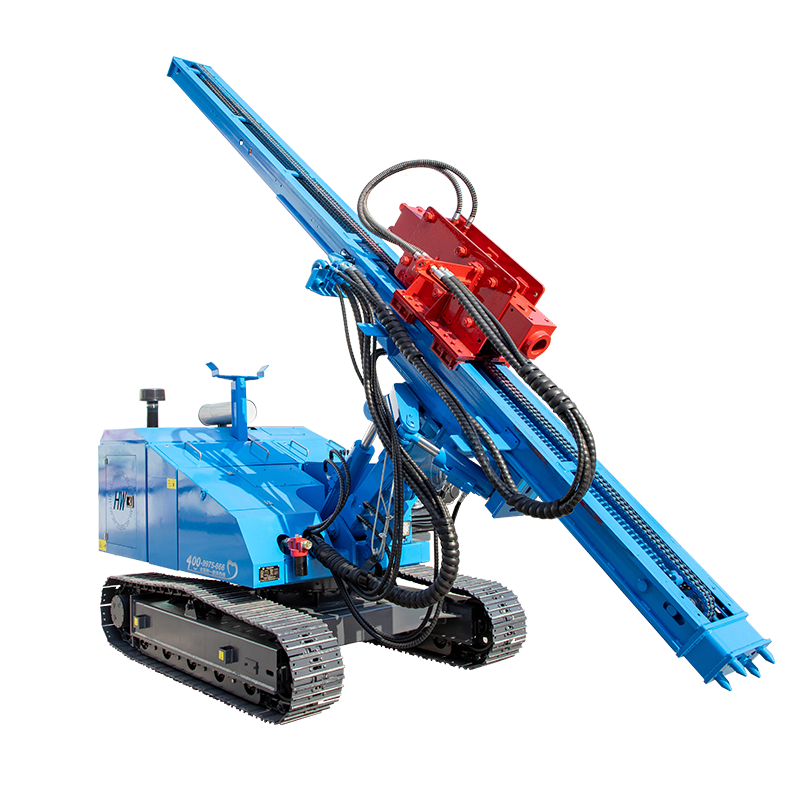
In construction machinery operations, the standardization of excavator operations is often overshadowed by the pursuit of efficiency. The following outlines eight easily overlooked wrong operations to help operators avoid equipment damage risks:
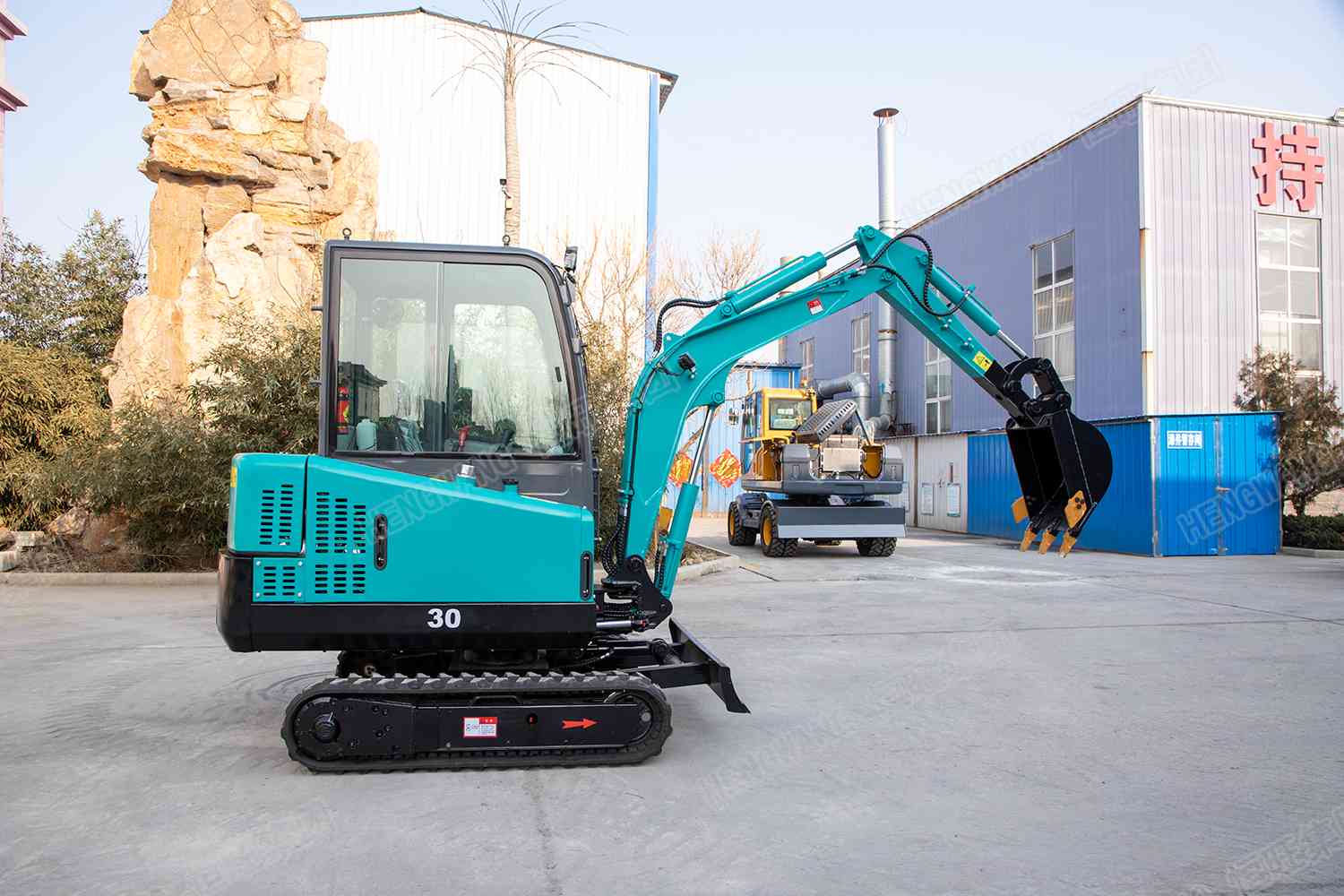
1. Forbid Forcing Operations with Swing Force
Never use the excavator's swing torque for raking or building demolition, and especially prohibit ramming the bucket teeth into the ground. Such operations can cause overload to the swing motor and damage the central swing joint seal.
2. Avoid Hard Insertion + Traction-type Excavation
When the bucket is forcibly inserted into the formation, do not assist excavation by walking traction. This behavior will make the track drive wheel bear abnormal torque, accelerating gearbox wear or even fracture.
3. Taboo on End-of-stroke Operation of Cylinders
Frequent extension and retraction of cylinders to the limit position should be avoided. Each time the stroke bottoms out, hydraulic impact will cause the piston rod coating to peel off and the cylinder inner wall to be strained, significantly shortening the seal life.
4. Put an End to Impact Operations with Bucket Dropping Force
The correct excavation action requires simultaneously lowering the boom, retracting the arm, and moving the bucket. Do not achieve excavation or striking through the free fall of the working device, as this may cause abnormal wear of the slewing bearing.
5. Watch Out for the Risk of Prying with Machine Weight
When using the excavator's own weight for prying operations, the articulation points of the working device will bear excessive design loads. Common damages include cracking of the boom cylinder trunnion and deformation of the bucket rod pin.
6. Professional Equipment Requirements for Rock Excavation
Forcible excavation of hard rock foundations with the bucket is strictly prohibited, and pre-treatment with a hydraulic breaker is required. Rock operations without breaking will lead to rapid wear of bucket teeth and cracking of the bucket bottom plate.
7. Safety Red Lines for High-risk Terrain Operations
Construction under overhanging cliffs is prohibited, as slope collapse may cause equipment overturning. During operations, maintain a safe distance of more than 3 meters from the edge of material piles to prevent landslides and burials.
8. Prohibition of Non-standard Use Operations
Do not use the excavator as a crane or man-carrying platform. Illegal lifting may cause the boom to break. Except for the operator, no personnel are allowed to ride in the cab.
Conclusion
The efficient operation of excavators is based on standardized operations. It is recommended to carry out equipment structural flaw detection every 500 hours of operation, focusing on inspecting vulnerable parts such as boom welds and cylinder articulation points. Avoiding the above eight misunderstandings can reduce equipment failure rates by more than 40%, significantly improving construction safety and economy.